
شهادة حضرة عمر الفاروق رضي الله عنه
يُحيى شهادة حضرة عمر الفاروق رضي الله عنه في ٢٦ ذو الحجة من التقويم الهجري.
مواعيد شهادة حضرة عمر الفاروق رضي الله عنه
| السنة | السعودية (أم القرى) | الهند / باكستان / بنغلاديش (متوقع) |
|---|---|---|
| ١٤٤٦ هـ | الأحد, ٢٢ يونيو ٢٠٢٥ | ٢٣ يونيو ٢٠٢٥ |
| ١٤٤٧ هـ | الجمعة, ١٢ يونيو ٢٠٢٦ | ١٣ يونيو ٢٠٢٦ |
| ١٤٤٨ هـ | الثلاثاء, ١ يونيو ٢٠٢٧ | ٢ يونيو ٢٠٢٧ |
| ١٤٤٩ هـ | الأحد, ٢١ مايو ٢٠٢٨ | ٢٢ مايو ٢٠٢٨ |
| ١٤٥٠ هـ | الخميس, ١٠ مايو ٢٠٢٩ | ١١ مايو ٢٠٢٩ |
| ١٤٥١ هـ | الاثنين, ٢٩ أبريل ٢٠٣٠ | ٣٠ أبريل ٢٠٣٠ |
التواريخ الميلادية محسوبة وقد تتغير بيوم واحد حسب رؤية الهلال في بلدك.
احصل على تذكير بهذه المناسبة
التطبيق المجاني ينبهك قبل كل مناسبة إسلامية.

Hazrat Umar ibn al-Khattab R.A (40 BH–23 AH / 584–644 CE), the second Rightly Guided Caliph of Islam, was martyred on the 26th of Dhu al-Hijjah, 23 AH — stabbed by Abu Lu'lu'ah Firoz (a Persian slave) while leading the Fajr prayer in Masjid al-Nabawi, martyred in the very act of worship before Allah SWT. Before Islam, he was one of the most feared men in Makkah — tall, powerful, and fiercely opposed to the Muslims. His conversion in 6 BH was itself a miracle — the Prophet ﷺ had prayed: "O Allah, strengthen Islam with one of the two Umars" (Umar ibn al-Khattab or Amr ibn Hisham).
When he accepted Islam, the Muslims were able to pray openly at the Kaaba for the first time. The Prophet ﷺ gave him the title "al-Faruq" (the Distinguisher between truth and falsehood) and said: "If there were to be a prophet after me, it would be Umar." His caliphate (13–23 AH / 634–644 CE) was the golden age of Islamic expansion — under his leadership, the Muslim state grew from Arabia to encompass all of Persia, Egypt, Syria, Palestine, and parts of North Africa — defeating the two superpowers of the era (Byzantine and Sassanid Empires) simultaneously. He personally received the keys to Jerusalem in 637 CE, entering the holy city in his patched garments on foot while his servant rode the camel — a display of humility that astonished the Christian patriarch Sophronius.
He refused to pray inside the Church of the Holy Sepulchre, saying: "If I pray here, Muslims after me will turn it into a mosque" — protecting Christian holy sites with remarkable foresight. His administrative genius established: the Hijri calendar, Bayt al-Mal (public treasury), regular salaries for soldiers, the postal system, census, provincial governance, the system of Shura (consultation), and the office of Qadi (judge). His justice was legendary — he would patrol the streets of Madinah at night disguised as a common man to check on his citizens' welfare.
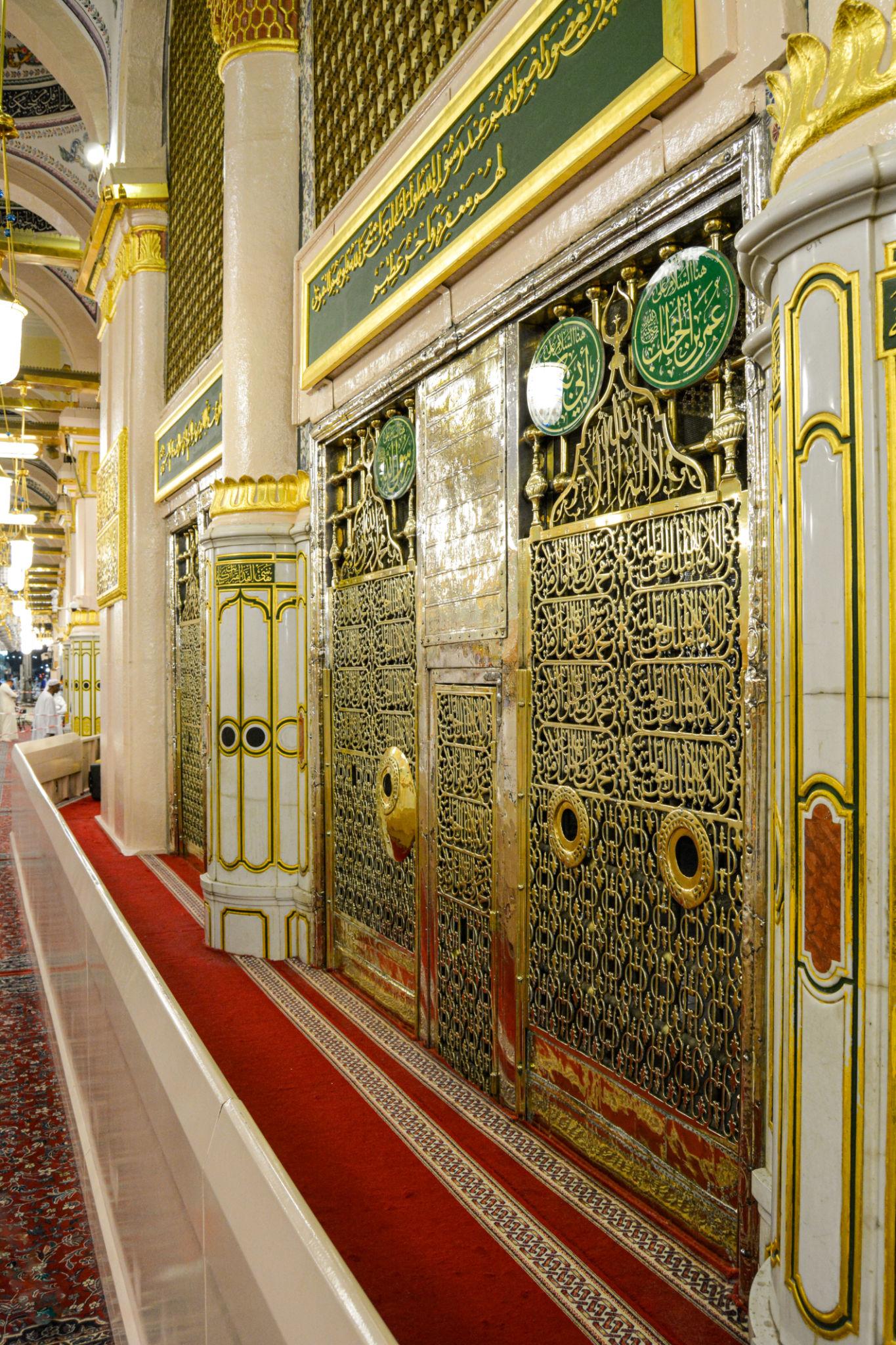
His famous declaration: "If a dog dies of hunger on the banks of the Euphrates, Umar will be held responsible before Allah" set the standard for Islamic governance for all time. He is buried beside the Prophet ﷺ and Hazrat Abu Bakr R.A in the sacred chamber of Masjid al-Nabawi — a distinction shared by only these three greatest figures of Islam.