
उर्स हज़रत अलाउद्दीन साबिर कलियरी
उर्स हज़रत अलाउद्दीन साबिर कलियरी इस्लामी (हिजरी) कैलेंडर की 13 रबीउल अव्वल को मनाया जाता है।
उर्स हज़रत अलाउद्दीन साबिर कलियरी की तारीख़ें
| साल | सऊदी अरब (उम्म अल-क़ुरा) | भारत / पाकिस्तान / बांग्लादेश (अनुमानित) |
|---|---|---|
| 1447 हिजरी | शुक्रवार, 5 सितंबर 2025 | 6 सितंबर 2025 |
| 1448 हिजरी | बुधवार, 26 अगस्त 2026 | 27 अगस्त 2026 |
| 1449 हिजरी | रविवार, 15 अगस्त 2027 | 16 अगस्त 2027 |
| 1450 हिजरी | शुक्रवार, 4 अगस्त 2028 | 5 अगस्त 2028 |
| 1451 हिजरी | बुधवार, 25 जुलाई 2029 | 26 जुलाई 2029 |
| 1452 हिजरी | रविवार, 14 जुलाई 2030 | 15 जुलाई 2030 |
अंग्रेज़ी तारीख़ें हिसाब से निकाली गई हैं और आपके देश में चाँद दिखने के अनुसार एक दिन आगे-पीछे हो सकती हैं।
इस दिन का रिमाइंडर पाएं
मुफ़्त ऐप हर इस्लामी दिन से पहले आपको सूचना देता है।

Hazrat Makhdoom Alauddin Ali Ahmed Sabir Kaliyari R.H (592–690 AH / 1196–1291 CE) was the founder of the Sabiri branch of the Chishti Sufi order — one of the two major branches (the other being the Nizami branch through Hazrat Nizamuddin Auliya R.H) that carry the Chishti spiritual legacy to this day. He was the nephew and devoted disciple of Hazrat Baba Fariduddin Ganj-i-Shakar R.H — the third great Chishti master. When Baba Farid R.H had to choose his successor, he appointed Hazrat Nizamuddin Auliya R.H for Delhi and sent Alauddin Sabir R.H to Kaliyar (modern Uttarakhand) — a decision that initially disappointed him but proved to be divine wisdom, as Kaliyar became one of the greatest spiritual centers in India.
His title "Sabir" (the Patient One) was earned through his extraordinary endurance of hardship — he practiced such extreme austerity that he would go without food for days and weeks at a time, wearing only a single thin garment even in the harsh winters of the Himalayan foothills. Among his famous karamaat, it is narrated that when he first arrived in Kaliyar, the local Hindu raja refused to allow him to settle. Hazrat Sabir R.H simply sat in meditation — the raja's throne began to shake violently and would not stop until he personally came and begged forgiveness, granting the saint land for his khanqah.
Another narration states that a deadly snake once entered his prayer area. His attendants panicked, but he calmly continued his prayer. The snake coiled at his feet and remained there peacefully until he finished, then left without harming anyone.
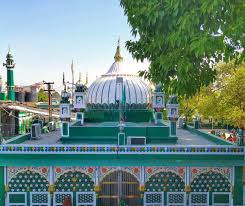
His spiritual states were so intense that he would sometimes remain in a single sajdah (prostration) for hours, completely absorbed in divine communion, unaware of the passage of time or the presence of others around him. The Sabiri branch he founded is distinguished by its emphasis on extreme asceticism, intense worship, and complete detachment from worldly comforts — contrasting with the Nizami branch's more socially engaged approach, yet both leading to the same divine goal. His shrine in Kaliyar Shareef (Roorkee, Uttarakhand) is one of the most visited Sufi shrines in North India, nestled in the Himalayan foothills near the Ganges canal.
His annual Urs on the 13th of Rabi al-Awwal draws hundreds of thousands of devotees from across India for Qawwali, Fatiha, langar, and Dhikr gatherings.