
عرس حضرة بابا حيدر ريشي إسلام آباد كشمير
يُحيى عرس حضرة بابا حيدر ريشي إسلام آباد كشمير في ١ ذو القعدة من التقويم الهجري.
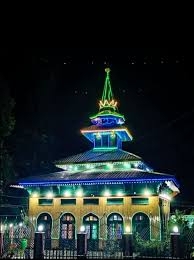
مواعيد عرس حضرة بابا حيدر ريشي إسلام آباد كشمير
| السنة | السعودية (أم القرى) | الهند / باكستان / بنغلاديش (متوقع) |
|---|---|---|
| ١٤٤٦ هـ | الثلاثاء, ٢٩ أبريل ٢٠٢٥ | ٣٠ أبريل ٢٠٢٥ |
| ١٤٤٧ هـ | السبت, ١٨ أبريل ٢٠٢٦ | ١٩ أبريل ٢٠٢٦ |
| ١٤٤٨ هـ | الخميس, ٨ أبريل ٢٠٢٧ | ٩ أبريل ٢٠٢٧ |
| ١٤٤٩ هـ | الاثنين, ٢٧ مارس ٢٠٢٨ | ٢٨ مارس ٢٠٢٨ |
| ١٤٥٠ هـ | الجمعة, ١٦ مارس ٢٠٢٩ | ١٧ مارس ٢٠٢٩ |
| ١٤٥١ هـ | الثلاثاء, ٥ مارس ٢٠٣٠ | ٦ مارس ٢٠٣٠ |
التواريخ الميلادية محسوبة وقد تتغير بيوم واحد حسب رؤية الهلال في بلدك.
احصل على تذكير بهذه المناسبة
التطبيق المجاني ينبهك قبل كل مناسبة إسلامية.

Hazrat Baba Haider Reshi R.H was one of the most prominent saints of the Reshi tradition of Kashmir — a uniquely Kashmiri expression of Islamic Sufism that emerged in the 14th-15th centuries, blending the ascetic practices of Central Asian Sufism with the contemplative heritage of the Kashmir Valley to create a spiritual path perfectly suited to the Kashmiri temperament and landscape. The Reshi tradition was established by Hazrat Nund Rishi (Sheikh Nooruddin Wali) R.H (1378–1440 CE) — the patron saint of Kashmir — and its practitioners were known for extreme asceticism, vegetarianism, living in caves and forests, meditation in nature, and compassion toward all living beings including animals and birds. Hazrat Baba Haider Reshi R.H embodied these ideals completely — he is said to have lived in a cave near Islamabad (Anantnag) for years, subsisting on wild herbs and spring water, spending his days and nights in Dhikr and contemplation amidst the breathtaking natural beauty of the Kashmir Valley.
Among his famous karamaat, the people of Anantnag narrate that wild animals — deer, bears, and birds — would gather around his cave without fear, as if recognizing in him a soul so purified that it posed no threat to any creature. Shepherds would bring their sick animals to him, and he would heal them with a touch and a prayer. Another narration states that during a harsh winter when the mountain passes were blocked and a village faced starvation, he emerged from his cave carrying baskets of food that no one could explain the origin of — feeding the entire village until the snow melted and supplies could arrive.
He played a crucial role in the Islamization of the Anantnag region — the local population, seeing his extraordinary piety and compassion, were drawn to Islam through his example rather than any preaching or coercion. His shrine in Islamabad (Anantnag), Kashmir, is nestled in the beautiful landscape of south Kashmir, surrounded by the springs and meadows that characterize this region known as the "granary of Kashmir." His annual Urs on the 1st of Dhu al-Qi'dah is observed with deep devotion by the Kashmiri Muslim community, featuring Quran Khwani, Fatiha, and Dhikr gatherings that honor the rich Reshi spiritual tradition of the valley.