
Urs of Shareh-e-Bukhari
Urs of Shareh-e-Bukhari is observed on 6 Safar of the Islamic (Hijri) calendar.
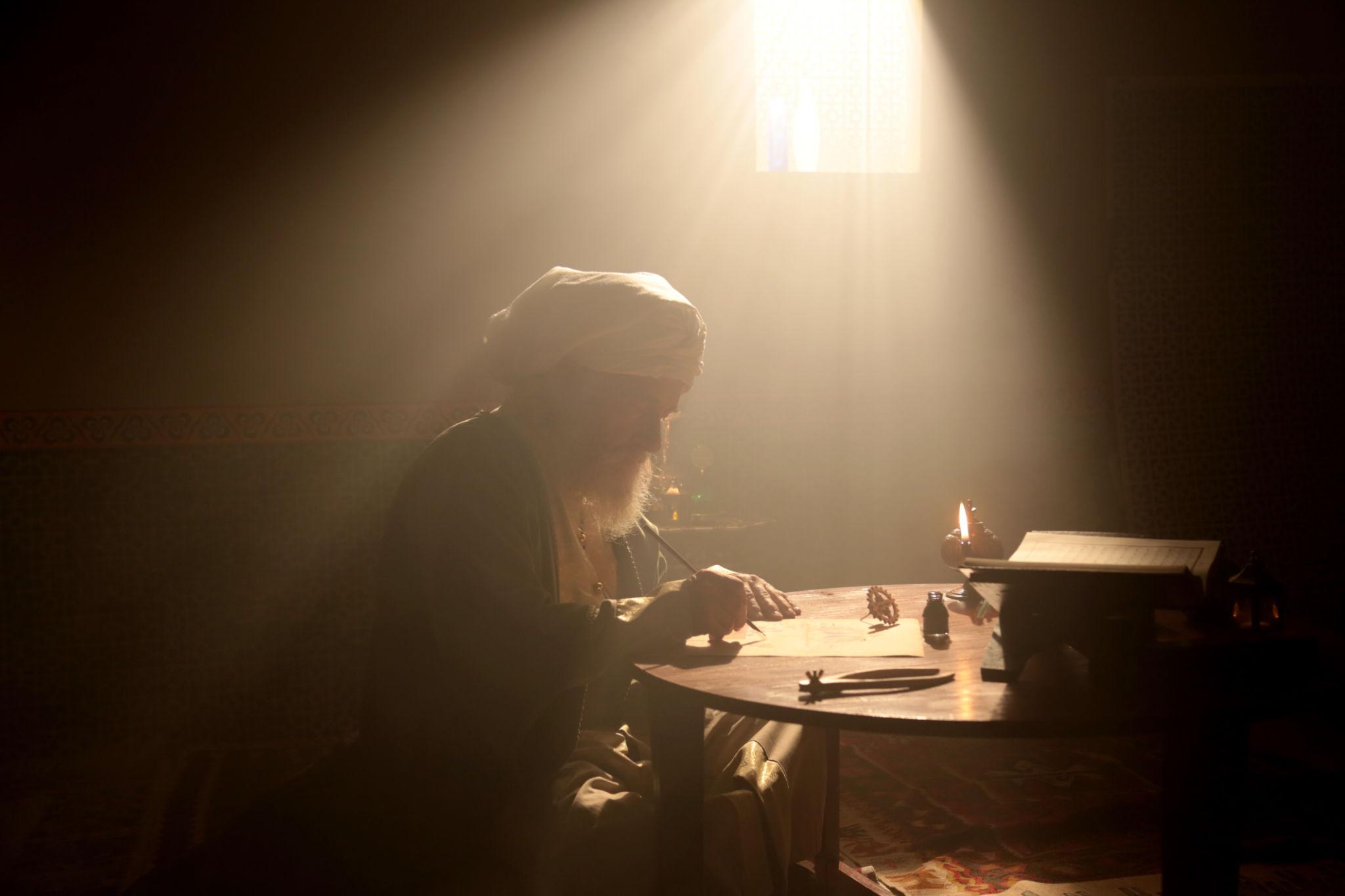
Urs of Shareh-e-Bukhari dates
| Year | Saudi Arabia (Umm al-Qura) | India / Pakistan / Bangladesh (expected) |
|---|---|---|
| 1447 AH | Thursday, 31 July 2025 | 1 August 2025 |
| 1448 AH | Monday, 20 July 2026 | 21 July 2026 |
| 1449 AH | Saturday, 10 July 2027 | 11 July 2027 |
| 1450 AH | Thursday, 29 June 2028 | 30 June 2028 |
| 1451 AH | Monday, 18 June 2029 | 19 June 2029 |
| 1452 AH | Friday, 7 June 2030 | 8 June 2030 |
Gregorian dates are calculated and may change by a day depending on the moon sighting in your country.
Get a reminder for this event
The free app notifies you before every Islamic event.

Hazrat Sharah Bukhari R.H was a distinguished Hadith scholar whose life's work was dedicated to writing a comprehensive commentary (Sharah) on Sahih al-Bukhari — the most authentic collection of Hadith compiled by Imam Muhammad ibn Ismail al-Bukhari R.H (194–256 AH), which contains 7,275 Hadith narrations carefully selected from over 600,000 that Imam Bukhari examined during 16 years of compilation. Writing a commentary on Sahih Bukhari is considered one of the highest achievements in Islamic scholarship — it requires mastery of Arabic linguistics, Hadith sciences, Fiqh, history, and the ability to reconcile apparently contradictory narrations. Only the most accomplished scholars in each generation have attempted this monumental task.
His commentary joined the ranks of other great Sharah works on Bukhari including Fath al-Bari by Ibn Hajar al-Asqalani, Umdat al-Qari by Allama Aini, and Irshad al-Sari by Allama Qastallani — each offering unique insights into the Prophetic traditions from different scholarly perspectives. He was known for his extraordinary memory of Hadith — he could cite narrations with their complete chains (isnad) from memory and cross-reference related Hadith from other collections to illuminate the meaning of each narration in Bukhari. His commentary addressed the legal implications (Fiqhi istinbat) of each Hadith, the linguistic nuances of the Prophet's ﷺ words, the historical context of each narration, and the spiritual lessons that could be derived for practical life.
He trained numerous students in the methodology of Hadith commentary, ensuring that the tradition of scholarly engagement with the Prophet's ﷺ words continued in his community with the same rigor and devotion he had demonstrated. He was also known for his personal piety — he would perform Wudu and sit in a state of complete reverence before opening Sahih Bukhari, treating each Hadith session as a sacred encounter with the words of the Prophet ﷺ. His annual Urs on the 6th of Safar is observed with scholarly gatherings featuring Bukhari Khwani (recitation of Sahih Bukhari), Fatiha, and lectures on Hadith sciences honoring this great servant of Prophetic knowledge.